

Do you enjoy a sweeter style wine? By sweet, I mean a wine that has a high sugar content and not merely a very fruity tasting wine. Often, but not always, these wines will have ‘semi sweet’, ‘dolce’, ‘demi-sec’ or will be from a region that only makes sweet wines. One of the most famous sweet wine region is the French region of Sauternes. They might also be fortified wines, such as Port from the Douro region.
Please click here to read Some quick facts from the Douro.
You might know these wines as dessert wines, pudding wines or as the Australian’s say ‘a sticky wine’ (due to the unctuous nature of these wines).
How sweet wines are made….
Stopping the ferment
What they all have though, is a higher residual sugar content in the wine. How the sugar is achieved or retained is vital to the character of the wine. For instance, a wine could be made by artificially stopping the ferment. This could be by filtering out the yeast before the fermentation process has reached its dry end point, or, by fortification, or adding alcohol which stops the yeast from continuing to ferment. This fortified version is how Port wines are made whether it is a Tawny Port, Vintage or Late bottled Vintage Port or a White Port.
TOP TIP! :
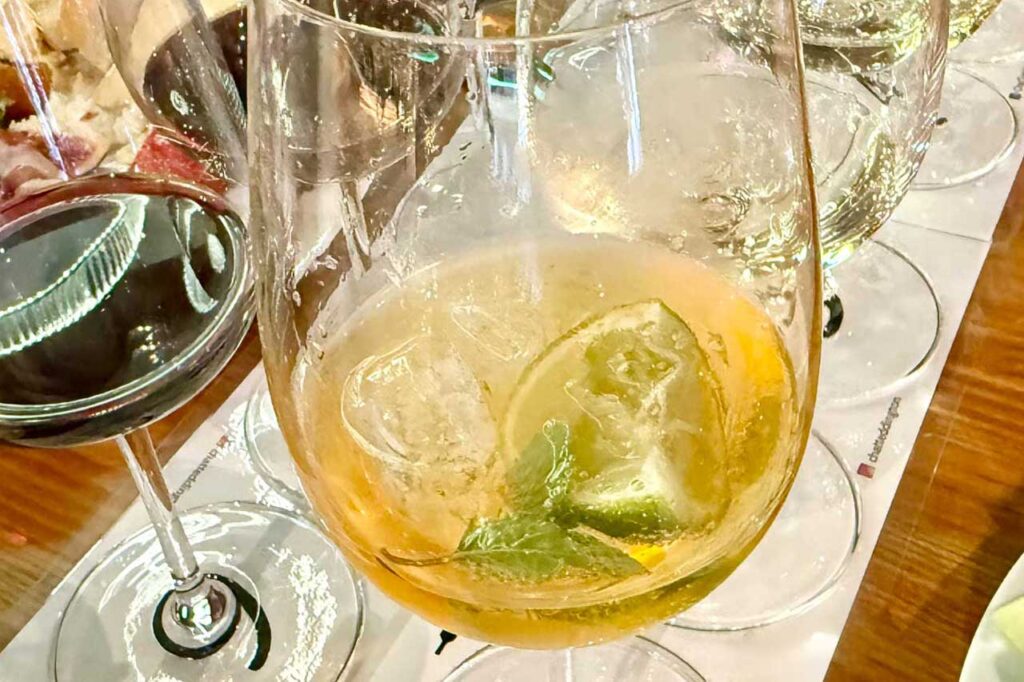
White Port makes a very refreshing aperitif served either straight on ice, or with a squeeze of lemon or if you want, you can top it up with your favourite tonic to suit your taste and the occasion.
Ripening the grapes
Another way to increase the sugar content in the wine is by increasing the sugar content of the grapes being fermented. This can be done several ways, including naturally through allowing the grapes to be infected by one of the types of Botrytis cinerea. The type that adds marmalade characters to white wines made from infected grapes has another name – the noble rot. This produces the distinctive sweet wines of Sauternes in France and Tokaji in Hungary.
Picking the grapes and leaving them to raisin on mats or on the vine will also increase the sugar content in the finished wine.
What about the semi-sweet wines?
However, we also have a range of wines that have a higher natural level of sugar that lifts them out of the ‘dry’ category into the ‘medium sweet category’. Often, you will need to look at the label to identify these wines or ask our friendly staff. An example of these wines would be a Vouvray demi-sec or a ‘mid sweet’ white from Australia. These are ‘stopped ferment’ wines made by stopping the ferment early by filtering the yeast away from the wine.
What does it taste like …
Without a doubt, the best of these wines will be sweet. They should also have a high amount of balancing acid so that you do not feel as if you are drinking syrup. The acid should keep the wine tasting fresh despite the concentrated sweet character.
Many of the white wines will have a taste of ripe citrus, marmalade, or of tropical fruits. Another common character is a pretty, floral aroma and flavour. Whereas the red versions will have rich berry jam characters.
Something you didn’t know!
Did you know that these wines can often stay in a cellar for over a decade? Sometimes, if you have kept them in optimal conditions and the right type of wine, they will still be enjoyable 20 years or more after being bottled.
What to pair these sweet wines with….
Believe it or not, you don’t have to only pair sweet wines with sweet food. However, that is the standard rule of thumb. I recommend that you experiment, particularly with semi sweet styles.
Semi sweet
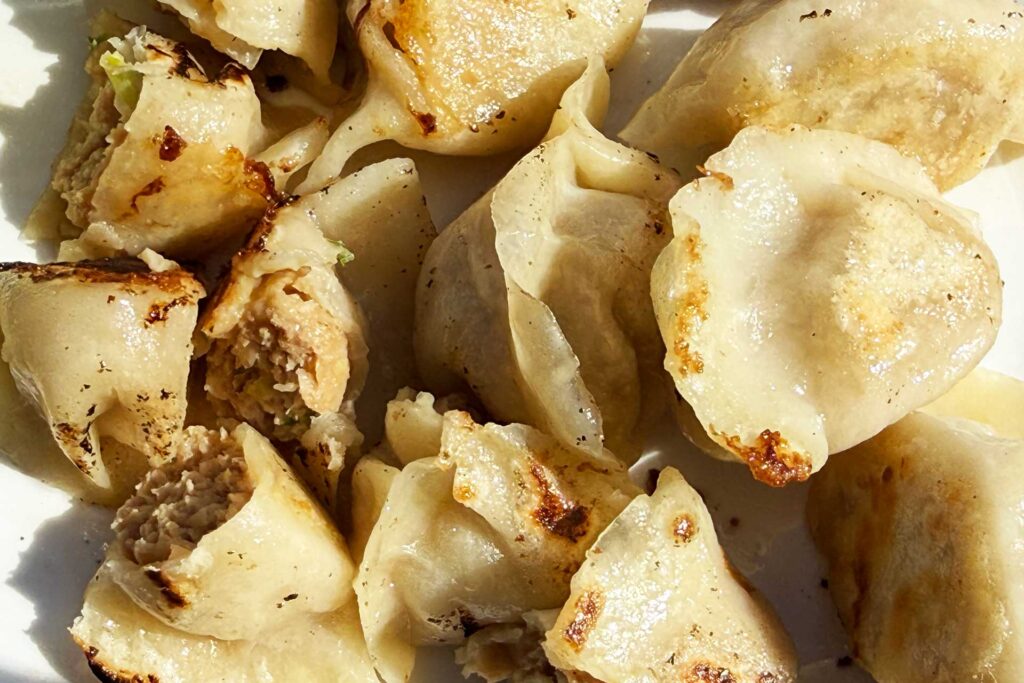
For instance, the semi-sweet wines are a good match with the spices and herbs that you might find in Thai, Vietnamese, Malaysian and Chinese cooking. An Australian ‘mid or semi’ sweet fruity wine works very well with spicy dishes of dumplings with side dishes such as tofu and coriander. Especially with pot sticker style dumplings.
Sweet
A citrus or stonefruit dominant Sauternes or Moscato d’Asti is a good match with fresh fruit desserts such as fruit tarts or Portuguese custard tarts. Sometimes they work well with white chocolate as well. Here is also where you can experiment. Sauternes is considered a traditional match with Foie Gras and also Pork knuckle dishes too. However, Moscato d’Asti might be too light in body and flavour to work.
Richer and sweeter styles that are fortified, such as Port wines or fortified Australian Muscat wines, match particularly well with nuts, caramel, dried fruit and chocolate desserts.
Sweet wines also are, of course, a great match with blue cheese. Particularly blue cheeses such as Stilton, Roquefort and Blue Wensleydale. The saltiness of these cheeses and sometimes bitter flavours is a great foil for the sweetness. Of course, the traditional match of Stilton and Vintage Port is well known.
Which of these wines match with Easter eggs? Why not read ‘The best wines to drink at Easter?’
To chill or not to chill?
The rule of thumb here is that many of the white wines that are sweet should be served well chilled. Whereas, the red Ports should be served a cool room temperature of 16-18 oC.
Interestingly, Tawny Port can be enjoyed either chilled or at room temperature. In France, it can be enjoyed chilled as an aperitif.
If you do not have a specific wine glass for these fortified wines, I would suggest you use a white wine glass. For the non-fortified and unctuous dessert style wines, a white wine glass is a good option with smaller pours. Serve semi-sweet white wines chilled down and in your usual white wine glass.
Don’t forget to ask in store for semi-sweet or sweet wine recommendations! And don’t forget to like us on Facebook or instagram.
Comments are closed